Every cut you make on a tree is permanent, so pruning rewards a little thought before the saw. The goal is never to shrink a tree or shape it like a shrub; it is to build a strong structure, remove what is hurting it, and let light and air through. A handful of simple ideas will keep you on the right side of that line. If you want the flip side, our post on common trimming mistakes covers what to avoid.
Start with the four Ds
When you are deciding what to cut, the four Ds are the place to start, because these are the branches that earn removal on any tree:
- Dead. Dead wood serves no purpose and becomes a falling hazard and an entry point for pests.
- Diseased. Removing infected branches, and cleaning your tools between cuts, keeps a problem from spreading.
- Damaged. Broken, cracked, and storm-torn limbs should come off cleanly before they tear further.
- Deranged. Branches that cross, rub, or grow back into the center of the tree crowd it and wound each other.
Take care of the four Ds and you have done most of what a healthy tree actually needs.
Less is more
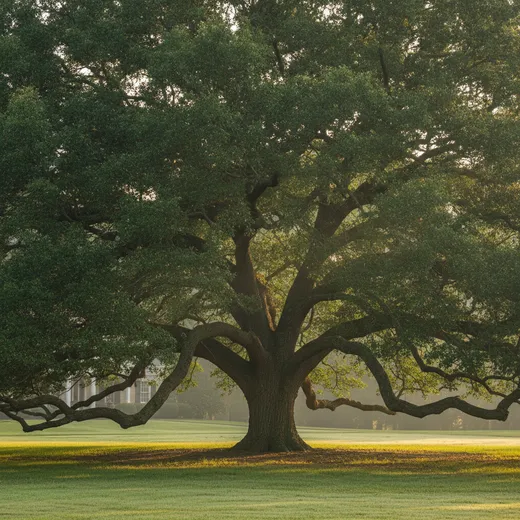
The most common way to hurt a tree with pruning is to remove too much. A tree feeds itself with its leaves, so every branch you take is energy the tree loses. A good rule is to remove no more than about a quarter of the living canopy in one year, and less on an older or stressed tree. When in doubt, make fewer cuts and come back next season. You can always take more later; you cannot put a branch back.
Do not prune a thirsty tree
Timing is not just about the season; it is about the tree's condition. Pruning is a controlled injury, and a tree recovering from a Georgia summer drought has little energy to spare for healing wounds. During a dry spell, hold off on anything but removing clear hazards, water the tree well, and save the structural work for cooler, wetter conditions when the tree can respond.
Make the cut in the right place
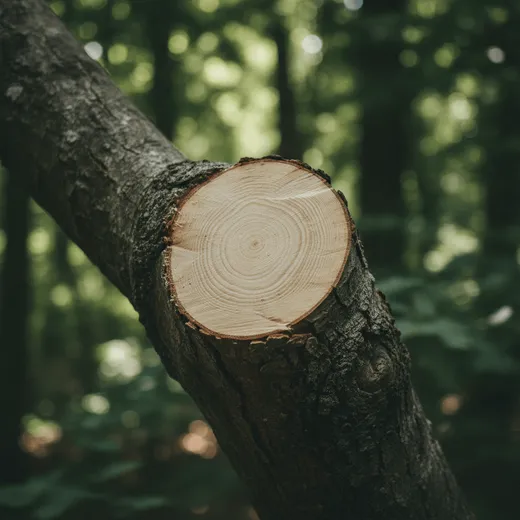
Where you cut decides whether the wound heals. Cut just outside the branch collar, the swollen ring where the limb meets the trunk, so the tree can seal over it. Do not cut flush to the trunk, which removes the collar and lets decay in, and do not leave a long stub, which dies back and rots. On anything heavier than a couple of inches, use a three-cut method so the falling branch cannot peel bark down the trunk.
How Engram's Tree Service can help
Good pruning is a skill, and on a large tree it is skilled work at height. Our certified arborist plans every job so the tree keeps the structure it needs, and our crew has the reach to do it safely. Whether you want structural pruning, thinning, or clearance over the roof, tell us what you need and we will come take a look.